 Marco Rizzo
Holding a protection visa grants individuals safety and security within their country of refuge, providing a crucial shield from persecution or harm in their homeland. A common and understandable question for many protection visa holders revolves around the possibility of traveling back to their country of origin. This is a highly sensitive and complex area of immigration law, carrying significant implications for one’s visa status and future; It requires careful consideration and a thorough understanding of the legal framework governing such visas, as unauthorized travel can lead to severe consequences.
The Core Principle: Why Travel Home is Generally Restricted
The very essence of a protection visa is rooted in an applicant’s well-founded fear of persecution or serious harm if they were to remain in or return to their home country. This fundamental premise creates a direct conflict with the idea of voluntarily visiting that same country. Immigration authorities view such a return as potentially undermining the basis on which the protection visa was granted.
What is a Protection Visa?
A protection visa is an immigration status granted to individuals who meet the criteria for refugee status or complementary protection under international and national law. It signifies that the individual cannot safely return to their country of origin due to persecution or other forms of serious harm. This protection is a serious commitment by the host nation.
The Legal Implications of Returning
Write a quality, in-depth, magazine-style article on the topic:
Write in English
Use a clickbait and catchy headline. Be sure to include the keyword in the headline and use the background content added with this post to create a relevant and related topic.
Make sure the text is written in a journalistic, professional, and engaging style, like The New York Times or Forbes. The tone should be optimistic, forward-looking, and persuasive. Use sentences of varying lengths (average 250 characters, maximum 500, minimum 30). Use appropriate analogies, descriptive adverbs (e.g., “incredibly effective”), and correct adverbial phrases (e.g., “By integrating insights from AI…”). Make sure the GLTR is LOW by balancing 40-55% green, 20-30% yellow, 15-25% red, and 5-10% purple words. Use present and past participles to add dynamism. Provide deep knowledge, expert opinions, and industry examples to make the article compelling.
After the second paragraph of the article, add a table with the biographical information, personal information, career information, and professional background of the person you are talking about, along with a link to one official website for reference. The table should be in a format that is easy to embed in WordPress.
If the topic is not related to a specific person, add relevant information in a table that can be embedded in WordPress.
Ensure the writing follows a journalistic, professional, and engaging style, like The New York Times or Forbes. The tone should be optimistic, forward-looking, and persuasive. Use varied sentence lengths (average 250 characters, max 500, min 30). Incorporate relatable analogies, descriptive adverbs (e.g., ‘remarkably effective’), and proper adverbial phrases (e.g., ‘By integrating AI-driven insights…’). Ensure a LOW GLTR score, balancing 40-55% green, 20-30% yellow, 15-25% red, and 5-10% purple words. Use present and past parts to enhance dynamism. Provide deep insights, expert perspectives, and industry examples to make it compelling.
After the second paragraph of the article add table with bio data and personal information, career, professional information of person in topic, also add link to one authentic website for reference, the table should be in the form that it can be easily inserted in wordpress.
If the topic is other than person related than add related information in the form of table that can be inserted in wordpress.
Voluntarily traveling to your home country while holding a protection visa typically raises serious questions about the ongoing need for protection. Such an action can be interpreted by immigration authorities as an indication that the fear of persecution no longer exists or was never genuinely held. This can lead to a review of your visa status and, in many jurisdictions, may result in the cancellation of your protection visa. Visa cancellation can have devastating effects, including loss of residency rights and potential deportation. Furthermore, it could severely impact any future applications for permanent residency or citizenship.
Exceptions and Special Circumstances
While the general rule is clear, individuals often inquire about potential exceptions. It is crucial to understand that genuine exceptions are extremely rare and are typically only considered under the most compelling and compassionate circumstances, requiring explicit prior approval from immigration authorities. These are not automatic rights, nor are they easily granted.
| Aspect | Standard Protection Visa Holder | Extremely Rare Exception (e.g., Compassionate Grounds) |
|---|---|---|
| Purpose of Visa | Protection from home country due to fear of persecution or harm. | N/A (The core purpose remains protection). |
| Travel to Home Country | Generally prohibited and highly discouraged. | May be considered under exceptionally strict, specific, and pre-approved conditions. |
| Risk to Visa Status | High risk of visa review, cancellation, and loss of protection. | Still carries significant risk; requires explicit written permission to mitigate. |
| Required Action | Do not travel without seeking expert legal and official advice. | Seek explicit, written permission from immigration authorities before making any plans. |
| Common Scenarios | Fear of persecution, human rights abuses, civil unrest. | Critical illness or death of an immediate family member, with strict proof and conditions. |
Seeking Advice Before Making Travel Plans
Given the severe potential consequences, it is paramount that protection visa holders never make impulsive travel decisions concerning their home country. Any consideration of such travel must be preceded by comprehensive legal and official consultation. Seeking professional guidance is not merely recommended; it is absolutely essential to safeguard your status.
Before even contemplating travel to your home country, follow these critical steps:
- Do Not Make Travel Bookings: Refrain from purchasing tickets or making any travel arrangements until you have received clear, official advice.
- Consult an Immigration Lawyer: Seek advice from a qualified immigration lawyer who specializes in protection visas. They can assess your specific situation and provide accurate legal guidance.
- Contact the Relevant Immigration Department: Officially inquire with the immigration authorities of the country that granted your protection visa. They are the ultimate authority on your visa conditions.
- Understand Specific Laws: Familiarize yourself with the specific immigration laws and policies of your host country regarding protection visa holders and international travel.
Alternative Travel and Documentation
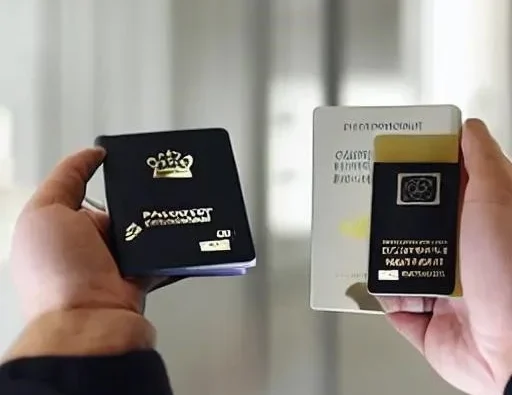
While travel to your country of origin is highly restricted, protection visa holders are generally able to travel to other countries. This is usually facilitated through a special travel document issued by the country of refuge, rather than a passport from their home country.
Refugee Travel Document (Convention Travel Document)
This document serves as a passport for protection visa holders, allowing them to travel internationally to countries that recognize it.
- It is issued by the country that granted you protection, not your country of origin.
- It typically permits travel to most countries worldwide, with the notable exception of your home country.
- The document is valid for a limited period, usually one to five years, and must be renewed.
- An application process is required to obtain this document, often involving forms, photographs, and fees.
Frequently Asked Questions (FAQ)
Q: Can I lose my protection visa if I travel to my home country?
A: Yes, in most cases, voluntarily traveling to your home country can lead to a review and potential cancellation of your protection visa, as it contradicts the basis for your protection claim.
Q: What if there’s an emergency in my home country, like a family death?
A: While extremely rare, some jurisdictions may consider travel under severe compassionate circumstances (e.g., death or critical illness of an immediate family member). However, you must seek and obtain explicit, written permission from immigration authorities before traveling. This is not guaranteed and still carries risks.
Q: Can I travel to other countries with a protection visa?
A: Yes, generally, you can travel to other countries (excluding your home country) using a Refugee Travel Document (Convention Travel Document) issued by the country that granted you protection.
Q: Where can I get official advice on my specific situation?
A: You should consult a qualified immigration lawyer or directly contact the immigration department of the country that granted your protection visa. Do not rely on unofficial advice.
Traveling on a protection visa, especially concerning one’s home country, is fraught with significant legal complexities and potential risks. The general rule is to avoid returning to the country from which you sought refuge, as doing so can severely jeopardize your visa status and future in your host country. Any deviation from this principle, even under compelling circumstances, requires explicit prior approval from immigration authorities, which is rarely granted. It is absolutely crucial to seek comprehensive legal advice from an experienced immigration lawyer before making any decisions or plans. Protecting your visa status and the safety it provides should always be your utmost priority.