 Marco Rizzo
Smart meters represent a significant leap forward in energy management, replacing traditional analog meters with sophisticated digital technology. Many consumers wonder how do smart meters work, curious about the intricate systems that manage their energy consumption data. These advanced devices do more than just record usage; they establish a dynamic, two-way communication channel between individual homes and utility companies. Understanding precisely how do smart meters work is fundamental to appreciating their pivotal role in modernizing our energy grids and fostering more efficient energy use across communities.
Core Components of a Smart Meter System
At the heart of every smart meter lies a sophisticated assembly of technologies designed to accurately measure and transmit energy consumption data. These components work in concert to provide a comprehensive view of energy usage.
The Measurement Unit
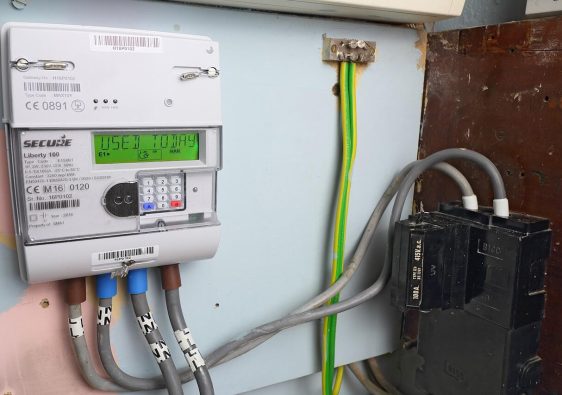
This is the primary function of any meter, smart or traditional. The measurement unit inside a smart meter precisely records the amount of electricity, gas, or water consumed. Unlike older meters that use mechanical dials, smart meters employ digital sensors to measure consumption in real-time, often down to minute-by-minute intervals. This digital precision drastically reduces the potential for human error in readings and provides far more granular data.
The Communication Module
Perhaps the most distinguishing feature of a smart meter is its integrated communication module. This component acts as the bridge, enabling the meter to send consumption data wirelessly to the utility provider and, in some cases, receive signals back. This two-way communication capability is crucial for remote meter reading, service connection/disconnection, and even enabling demand-response programs.
In-Home Display (IHD)
Many smart meter installations include an In-Home Display, a small device given to consumers that connects wirelessly to their smart meter. The IHD provides real-time information about energy consumption and its associated cost. This immediate feedback empowers users to make more informed decisions about their energy usage, helping them identify energy-intensive habits and potentially reduce their bills.
The Communication Network: Bridging Homes and Utilities
The ability of smart meters to transmit data without manual intervention relies on a robust and secure communication network. This network is essential to how do smart meters work effectively, enabling a responsive and optimized energy grid. Different technologies are employed depending on the specific infrastructure and geographical area.
- Wide Area Network (WAN): This network connects the utility’s central systems to collectors or concentrators in neighborhoods. Technologies used can include cellular (3G, 4G, 5G), satellite, or dedicated radio frequencies.
- Neighborhood Area Network (NAN): Often a mesh network, the NAN connects multiple smart meters in a local area to a single data collector. Meters can relay data to each other until it reaches a collector connected to the WAN. This extends coverage and enhances reliability.
- Home Area Network (HAN): This is the network within a consumer’s home, connecting the smart meter to devices like the In-Home Display (IHD), smart thermostats, or other smart appliances. Technologies like Zigbee or Wi-Fi are commonly used for HAN communication.
Data typically flows from the meter to the HAN, then through the NAN, and finally via the WAN to the utility’s central data management system. This multi-layered approach ensures efficient and secure data transmission.
Real-time Data and Its Benefits
The continuous flow of detailed energy consumption data from smart meters offers a wealth of advantages for both consumers and utility providers.
Accurate Billing and Consumption Tracking
With smart meters, estimated bills become a thing of the past. Utilities receive actual consumption data, leading to more accurate billing. This transparency helps consumers understand their usage patterns, avoiding the surprise of unexpectedly high bills that can result from estimations.
Empowering Consumers with Information
The detailed data provided by smart meters, often accessible via an IHD or online portal, puts power back into the hands of consumers. They can see when they use the most energy, identify inefficient appliances, and adjust their habits accordingly. This granular insight fosters greater energy awareness and encourages conservation.
- For Consumers:
- Detailed usage insights and breakdowns by time of day.
- Potential for significant cost savings through behavioral changes.
- Support for integrating renewable energy sources and electric vehicles.
- For Utilities:
- Improved grid management and load balancing, preventing outages.
- Faster and more precise outage detection and restoration.
- Enhanced demand forecasting, leading to more efficient energy generation and distribution.
Security and Privacy Considerations
Given the sensitive nature of energy consumption data, security and privacy are paramount in smart meter systems. Data transmission is typically encrypted to protect against unauthorized access and cyber threats. Utilities implement robust cybersecurity measures to safeguard the network and consumer information. Regulations and industry standards are also in place to govern data collection, storage, and usage, ensuring consumer privacy is respected and maintained.
Frequently Asked Questions About Smart Meter Functionality
- How often do smart meters send data?
- The frequency varies by utility and specific meter, but typically smart meters send data at intervals ranging from every 15 minutes to once a day. Some systems can even provide near real-time updates to an In-Home Display.
- Can I turn off my smart meter?
- No, smart meters cannot be turned off by the consumer. They are essential utility equipment for measuring consumption and maintaining grid stability. However, you can typically opt out of certain data collection frequencies or specific programs, depending on your utility’s policies.
- Are smart meters mandatory?
- The mandatory nature of smart meters varies by country and region. In some areas, they are being rolled out as standard replacements for older meters, while in others, consumers may have the option to decline, though this can sometimes come with limitations or additional fees.
- What data do smart meters collect?
- Smart meters primarily collect data on energy consumption (e.g., kilowatt-hours for electricity, cubic feet/meters for gas) and the time at which that energy was consumed. They do not collect personal data like names, addresses, or activities within the home, though the pattern of energy usage can infer occupancy or appliance use.